

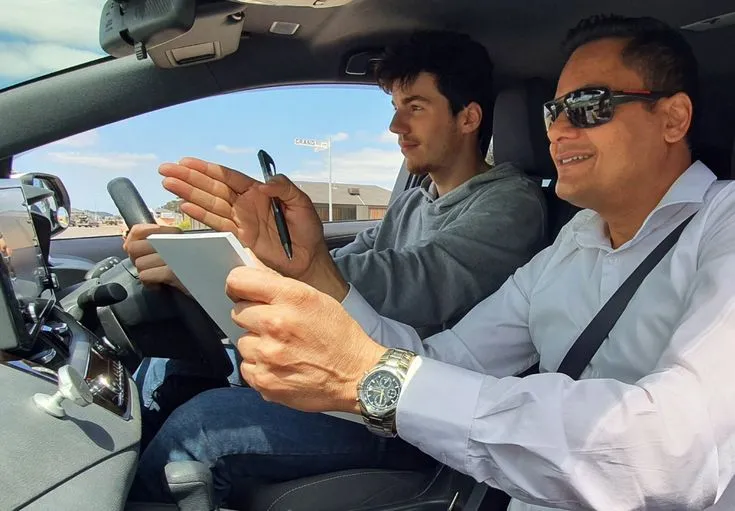
Driving is a progressive skill to learn, and the time at which children start driving lessons can be a significant factor. Some people apply when they are young enough to get a license; others wait until they are more ready or have a particular need for a license. No one schedule fits all. Instead, look at your age, experience, confidence, availability and learning objectives in order to start professional instruction.
Consider Your Current Experience
Before you schedule car driving lessons near me, consider your amount of driving experience. If you are a total newbie, you might need more time to get comfortable with the basic controls, or if you have practiced under guidance, you can move on to more advanced road situations.
It’s also helpful to know what skill sets you know already. It might be okay to drive and brake, but you may need practice when parking, driving at intersections, changing lanes, or in heavy traffic.
If you know where you’re starting, you’ll be able to select lessons that suit your needs.
Start When You Can Practice Regularly
One of the key elements of learning to drive is consistency. If you have enough time to practice regularly, then it will be easier to follow the process of learning.
If there are big gaps between lessons, you can use a portion of each lesson to refresh yourself with skills you had learned before. The regular sessions can offer more opportunity to review techniques and to slowly add in new situations.
When you select a schedule, think about your school, college, work, family obligations and more. A realistic schedule is better than a difficult one that you can’t attend regularly.
Think About Your Confidence Level
Before beginning, you need not be 100% confident. Professional instruction can actually help to build confidence by allowing some practice and structure.
But be prepared to hear directions, take corrections, and start to venture out of your comfort zone. It’s common for novices to be nervous during their initial lesson.
It’s important to remember that nervousness should not hinder learning. Confidence typically comes with experience and knowledge of how to deal with various scenarios.
Consider Your Driving Goals
The timing of when to begin can be affected by your reason for learning. If a student wishes to obtain a license in the near future, he or she may need to start early to enable sufficient education, practical training, and preparation to be completed.
A person whose main goal is to become independent may have more flexibility and can go at a slower rate.
Defining goals can assist you in determining how often you need lessons and which areas are most important. These objectives are useful to discuss with an instructor to develop a more appropriate learning trajectory.
Build Skills Before Busy Roads
Don’t pressure a new driver to deal with complex traffic. Early training could involve the controls of a vehicle, steering and braking, turning, signaling and basic road awareness.
Once the skills are developed to a comfortable level, the training can be moved to busier streets, more complex intersections, parking areas, and more complex traffic situations.
This sequence allows students to master the skill before moving on to a more challenging variation of it. This setup can also help make drive times feel organized, clear, and easy to run.
Choose a Suitable Local Program
When you look for driving schools near me, close distance helps, but you need more. Check the lesson plan. See how teachers work with you. Ask about time slots. Find out where you drive. Look at all the extra help they offer too.
A nearby school works best if it simplifies your travel. Even so, the entire training plan needs to line up with your skill level and driver targets.
Questions should be asked before enrollment is made. Get to know how lessons are structured, how progress will be monitored, and if extra practice can be arranged if necessary.
Know When You Need More Practice
Do not assume that the rate of learning in your lessons will be the same as someone else’s. Others grasp simple vehicle control skills in a short time, while others require more time with specific skills.
Focus on sections where you keep making the same mistakes. It may be more beneficial for a person to practice parking, lane changes, turning, and/or traffic awareness skills rather than just moving forward based on the number of lessons completed.
The focus stays on steady growth, not rapid jumps.
Conclusion
The best age to start driving is when you can stick to a set schedule and spend time practicing driving each week. Think about your past skill, weekly time, comfort level and target test dates when you pick a class. It is important to start early so you can be confident and practice safely, and frequent repetition can make them easier to do naturally. When evaluating the professional driving education programs available in your area, Myfirstdrive.net might be one that you can use that will help you find the appropriate program for your learning needs.
