

Introduction
Late invoice payments can create cash-flow challenges for small businesses. Even when customers are happy with your products or services, delayed payments can make it harder to cover expenses, pay employees and suppliers, or invest in future growth. A clear and consistent invoicing process can encourage customers to pay promptly while reducing the time spent chasing outstanding balances.
How to Pay Invoices Faster
1. Start With Clear Payment Expectations
Payment expectations should be established before an invoice is issued. Make sure customers understand when payment is due and what payment methods are available.
Clearly stated terms, such as payment due within 14 or 30 days, remove uncertainty. For larger projects, businesses can also consider deposits or milestone-based payments rather than waiting until the entire project is complete.
2. Send Invoices Without Delay
A simple way to improve payment times is to invoice customers as soon as the agreed work is completed. Waiting several days or weeks before sending an invoice automatically pushes back the potential payment date.
For recurring services, establish a regular billing schedule. Consistency helps customers anticipate invoices and incorporate them into their own payment processes.
3. Make Every Invoice Easy to Understand
An unclear invoice can result in questions, disputes, and payment delays. Include all information the customer needs to approve the payment.
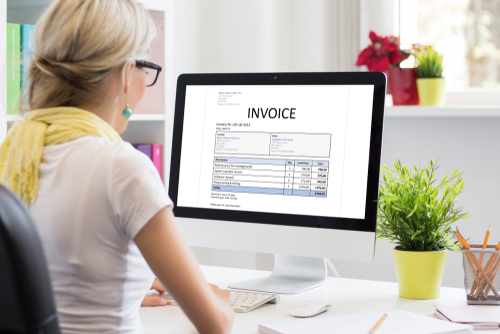
A well-prepared invoice should generally include:
Invoice number:
A unique reference makes the invoice easier to identify.
Issue and due dates:
Customers can immediately see when payment is expected.
Itemized charges:
Clearly explain the products or services being billed.
Total amount:
Make the amount payable easy to find.
Payment instructions:
Explain exactly how the customer can pay.
Check invoices for errors before sending them. Incorrect amounts or missing details can create avoidable delays.
4. Provide Convenient Payment Methods
Customers are more likely to complete a payment when the process is straightforward. Offering convenient payment options can remove unnecessary barriers. Depending on your business and accounting system, you might provide bank transfer details, card payments, or online payment links. Giving customers a direct route from the invoice to the payment page can make settling an invoice faster and easier.
5. Send Friendly Payment Reminders
Not every late payment is intentional. Customers may simply overlook an invoice among other emails and administrative tasks. Automated reminders can provide a useful prompt without requiring you to manually contact every customer.
Consider sending a friendly reminder before the due date and another notification when an invoice becomes overdue. Keep the wording professional and include the invoice number, amount outstanding, and payment instructions.
6. Monitor Outstanding Invoices
Regularly reviewing unpaid invoices helps you identify potential cash-flow problems early. Rather than checking accounts receivable only at the end of the month, create a routine for monitoring outstanding balances.
Accounting software can help by providing an overview of paid, unpaid, and overdue invoices. This allows business owners to prioritize follow-ups and maintain better visibility over incoming payments.
Conclusion
Faster payments usually come from a combination of good practices rather than a single strategy. Clear terms, prompt invoicing, accurate information, convenient payment options and timely reminders can make the entire payment process more efficient.
By creating a consistent invoicing work-flow, small businesses can reduce payment delays, improve cash-flow predictability, and spend less time following up on overdue invoices.

1 comment
Practical guide tip: before you scale with Exact Vending, map your top products and confirm reliable supplier pricing, then match machine placement to foot traffic and dwell time for the best conversion. Audit maintenance access, keep a simple restock checklist, and track slot-level performance so you can adjust selections based