

Nepal stands as the ultimate destination for mountaineering enthusiasts, offering a wide spectrum of climbing opportunities in the heart of the Himalayas. Among the most sought-after trekking peaks are Mera Peak Climbing and Island Peak Climbing. Both climbs attract adventurers from around the world, yet they provide distinctly different experiences in terms of difficulty, scenery, and overall journey.
If you are planning a Himalayan expedition, understanding the key differences between these two peaks will help you make the right decision.
Overview of Mera Peak Climbing
Mera Peak Climbing is widely regarded as one of the best introductory climbs in Nepal. Standing at an elevation of 6,476 meters, it is the highest trekking peak in the country. Located in the remote Hinku Valley, Mera Peak offers a peaceful and less crowded climbing route.
The trek to Mera Peak passes through untouched forests, traditional Sherpa villages, and pristine landscapes. One of the biggest rewards of this climb is the panoramic summit view, where climbers can witness five of the world’s highest mountains—Everest, Lhotse, Makalu, Cho Oyu, and Kangchenjunga.
In terms of technical difficulty, Mera Peak is considered non-technical. This means that while it requires good physical fitness and endurance, it does not demand advanced mountaineering skills. Basic use of crampons and ice axes may be needed near the summit, but overall it is suitable for beginners.
Overview of Island Peak Climbing
Island Peak Climbing, also known as Imja Tse, is another popular trekking peak in Nepal, standing at 6,189 meters. It is located in the Everest region and is often combined with the Everest Base Camp trek, making it a favorite choice for those who want both trekking and climbing in one itinerary.
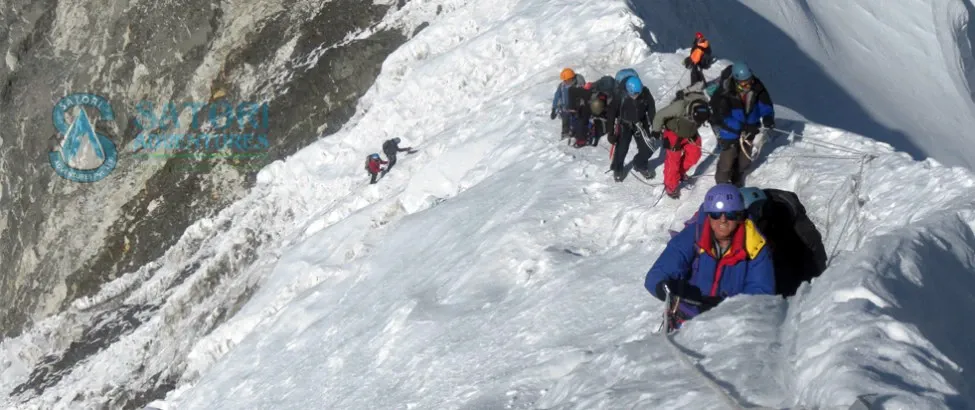
Unlike Mera Peak, Island Peak offers a more technical climbing experience. The route includes glacier travel, fixed ropes, and a steep ice wall near the summit. Climbers are required to have basic mountaineering skills or undergo pre-climb training.
The scenery on Island Peak is dramatic and immersive. You are surrounded by towering हिमालयन giants such as Lhotse, Nuptse, and Ama Dablam, offering a close-up and intense mountain experience.
Key Differences Between Mera Peak Climbing and Island Peak Climbing
1. Difficulty Level
The most significant difference lies in the level of difficulty.
-
Mera Peak Climbing is physically demanding due to altitude but technically straightforward.
-
Island Peak Climbing is more challenging because it involves technical climbing sections.
For beginners, Mera Peak is generally the safer and more accessible option.
2. Altitude
-
Mera Peak: 6,476 meters
-
Island Peak: 6,189 meters
Although Mera Peak is higher, the climb itself is less technical. However, the higher altitude increases the risk of altitude sickness, making acclimatization essential.
3. Trekking Experience
-
Mera Peak: Remote, शांत, and less crowded
-
Island Peak: Busy and part of the Everest Base Camp route
If you prefer solitude and off-the-beaten-path trekking, Mera Peak is ideal. If you enjoy meeting other trekkers and experiencing popular trails, Island Peak is a better choice.
4. Scenery
Both peaks offer stunning views, but the perspective differs.
-
Mera Peak: Wide panoramic views of multiple 8,000-meter peaks
-
Island Peak: Close-up views of iconic mountains
Mera Peak gives you a broader view, while Island Peak provides a more dramatic and immersive experience.
5. Duration
-
Mera Peak Climbing: 16–20 days
-
Island Peak Climbing: 14–18 days
The difference in duration is minimal and depends on the itinerary and acclimatization schedule.
Best Time for Climbing
The best seasons for both Mera Peak Climbing and Island Peak Climbing are:
-
Spring (March to May): Stable weather and blooming landscapes
-
Autumn (September to November): Clear skies and excellent visibility
These seasons offer the safest and most enjoyable climbing conditions.
Cost and Preparation
Cost
-
Mera Peak Climbing: $2,000 – $3,500 USD
-
Island Peak Climbing: $2,200 – $4,000 USD
Island Peak is slightly more expensive due to additional technical equipment and training.
Preparation
Both climbs require physical fitness, including cardio endurance and strength training. For Island Peak, climbers should also learn basic mountaineering techniques such as rope handling and using crampons.
Safety Considerations
Climbing in the Himalayas always involves risks such as altitude sickness, अचानक weather changes, and glacier hazards. To ensure safety:
-
Follow proper acclimatization schedules
-
Hire experienced guides
-
Stay hydrated and maintain a steady pace
-
Use proper equipment
Preparation and awareness are key to a successful climb.
Conclusion
Both Mera Peak Climbing and Island Peak Climbing offer unforgettable Himalayan adventures, each with its own unique appeal. Mera Peak is perfect for beginners seeking a high-altitude, non-technical climb with breathtaking panoramic views and peaceful trails. On the other hand, Island Peak is ideal for those looking for a more technical and challenging experience in the iconic Everest region.
Choosing between the two depends on your experience level, fitness, and personal goals. Regardless of your choice, both climbs promise incredible scenery, a sense of achievement, and a deep connection with the majestic Himalayas.
Embarking on either of these journeys is more than just a climb—it is an adventure that will leave you with lifelong memories and a profound appreciation for nature’s grandeur.
