

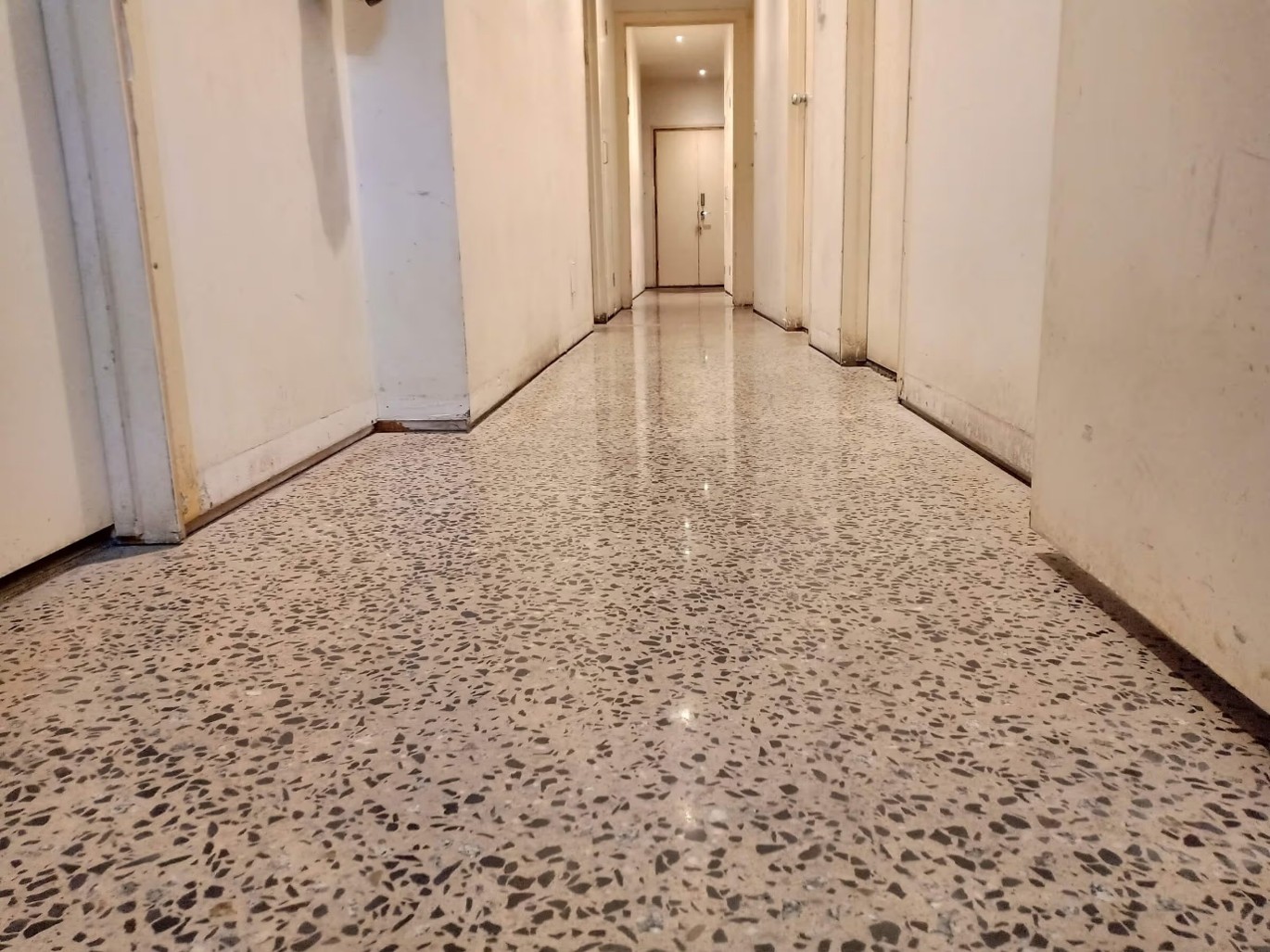
Bare concrete used to mean one thing: unfinished basement, forgotten garage, nothing anyone actually wanted to show. That has flipped hard the last few years, completely. Polished concrete Los Angeles businesses and homeowners keep installing that exact same material into something sleek, reflective, actually good-looking, and without ripping out the slab and starting over from scratch on some brand-new floor.
What the Polishing Process Actually Involves
Getting concrete to that glossy, near mirror finish takes way more than a quick buff and calling it a day. Contractors grind the surface down through several grit levels, each pass finer than the last, until the slab hits whatever sheen a client actually wants, matte, satin, or full-blown high gloss. Densifiers go on somewhere in that process too, hardening the surface chemically so it resists staining and wear way better than concrete just left raw and untreated.
Warehouse Epoxy Flooring Los Angeles Businesses Depend On
Not every commercial space wants that polished look, though, and warehouses specifically need something built to survive rougher treatment. Warehouse epoxy flooring Los Angeles facilities install takes forklifts, pallet jacks, dropped equipment, and foot traffic nonstop, all without cracking or chipping the way bare concrete does after a year or two of that kind of daily beating. Chemical spills wipe up clean too, which matters a lot for facilities storing anything more than just dry goods sitting on a shelf.
Comparing These Two Flooring Options
Polished concrete fits spaces wanting something design-forward, like retail, offices, restaurants, and even upscale homes chasing that industrial-modern look people love right now. Epoxy gets picked more for pure function, though, in warehouses, manufacturing floors, and garages taking heavy daily wear that a polished finish alone just would not hold up against nearly as well. Some businesses run both actually: polished concrete out front where customers see it and epoxy in back where the real grind happens all day.
Durability Considerations for Both Systems
Both hold up fine installed right, though stress hits them differently depending on the setting. Polished concrete resists scuffing from regular foot traffic well but chips under serious impact, dropped tools, heavy equipment, or that kind of hit. Epoxy flexes a bit under pressure instead and absorbs impact better in industrial spots where forklifts and pallet jacks roll the same paths constantly through a normal shift.
Why Installation Quality Determines Long-Term Results
Rush a polish job, and you get an inconsistent sheen and missed spots that show up clear as day under certain lighting later. Rush an epoxy install, and proper concrete prep gets skipped, leading to bubbling or peeling within months instead of holding strong for years the way it should. Contractors who know both systems well understand how to prep a slab properly first, checking moisture, existing damage, and anything that could wreck the final result if left ignored.
Choosing The Right Option for Your Space
Budget, foot traffic, or whatever aesthetic someone is going for—all of those factors into picking between these two. A retail storefront wanting something bright and reflective probably leans polished concrete. A distribution center running heavy machinery daily needs epoxy’s durability instead; there’s no real substitute for that. Talking through the actual use case with a contractor who knows both systems usually clears up which direction makes sense before committing to either one blind.
Conclusion
Picking the right flooring system comes down to understanding what a specific space genuinely needs day to day. Epoxysurfaceprosca.com specializes in both, offering polished concrete Los Angeles businesses want for a sleek modern finish, along with warehouse epoxy flooring Los Angeles facilities depend on for heavy-duty durability under constant use. Whichever fits the space better, the right installation makes all the difference in how that floor holds up for years down the road.
