

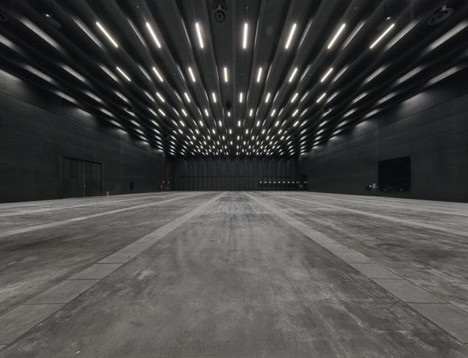
Calculating floor materials often gets confusing fast, especially when you are trying to guess exact resin amounts for large projects. Using a reliable epoxy coverage calculator saves you from buying too much expensive product or running out mid-job. Most standard kits give basic estimates, but real surfaces always soak up extra liquid depending on porosity. You should always measure your total square footage twice before ordering any chemical coatings. Surface preparation like diamond grinding opens up concrete pores, which drastically changes how far a single gallon actually spreads out.
Surface Prep Impact
Concrete texture plays a massive role in overall material consumption during any garage or commercial application. Rough, unsealed floors drink up base coats much faster than smooth power-troweled slabs ever will. If you skip measuring surface profile depth, your calculations will end up way off from reality. Most people forget that heavy etching or aggressive grinding increases the surface area significantly. You want to account for at least ten percent extra material just to cover these deep microscopic grooves properly.
Flake Broadcast Math
Adding decorative chips requires completely different estimation methods compared to plain liquid coatings. A dedicated flake broadcast calculator helps determine exact poundage needed based on your intended density level. Full refusal coverage takes roughly one-tenth of a pound per square foot, whereas light random sprinkles need far less material overall. Dropping too few flakes leaves weird bald spots that look completely uneven once topcoats dry down completely. Spreading chips evenly demands steady hands and careful prep work before throwing anything onto fresh resin.
Mixing Ratio Secrets
Getting parts A and B mixed wrong ruins the chemical cure process entirely every single time. Temperature swings inside your work area alter product viscosity, making liquid pour much thicker or thinner than usual. Warm rooms speed up life drastically, giving you far less time to roll everything out smooth. Cold floors make liquids stiff, which forces installers to push harder and spread material thinner than recommended. Always keep your material buckets in a climate-controlled room a full day before starting the application process.
Avoid Common Waste
Dumping mixed liquid directly onto raw concrete creates massive pools if you do not spread it rapidly. Squeegees work much better than regular dip rollers for distributing heavy body coats across wide open spaces. Leaving mixed resin sitting inside plastic mixing buckets generates intense heat that ruins leftover product fast. You should pour long ribbons across the floor immediately after finishing your two-minute mechanical mixing cycle. Keep extra roller covers nearby so you can swap dirty sleeves without stopping your active application workflow.
Environmental Factors Matter
Humidity levels in the air affect how clear topcoats dry over long periods of time. Moisture trapping under sealed surfaces causes terrible blisters that ruin hours of hard floor preparation work. Always test concrete slab moisture levels with proper pin meters or calcium chloride test kits first. High ambient heat makes solvent vapors flash off quickly, leaving unwanted roller marks across shiny floors. Working during cooler morning hours usually gives better leveling performance for tricky clear coats and heavy pigments.
Topcoat Thickness Rules
Applying thin clear layers protects color chips from heavy foot traffic and harsh chemical spills. Polyaspartic topcoats cure extremely fast, requiring quick movement across every section of the working zone. Using an epoxy coverage calculator again for topcoats prevents thin spots that wear down prematurely under tires. Skimping on clear coat volume leaves rough flake edges exposed to dirt and stubborn oil stains. Roller pressure needs to stay completely light and steady so material lays down perfectly even without lines.
Conclusion
Estimating floor coating materials correctly saves time, money, and huge application headaches on job sites. Visiting tradeepoxy.com gives contractors and homeowners access to quality supplies and practical floor coating tools. Taking exact measurements and accounting for concrete porosity prevents unexpected material shortages during critical installation steps. Understanding how temperature and surface profiles affect liquid spread rates helps achieve smooth professional results every single time. Always double-check your total square footage numbers before placing large orders for heavy resin products. Consider reviewing product data sheets carefully to ensure your next flooring project turns out completely successful and long-lasting.
