

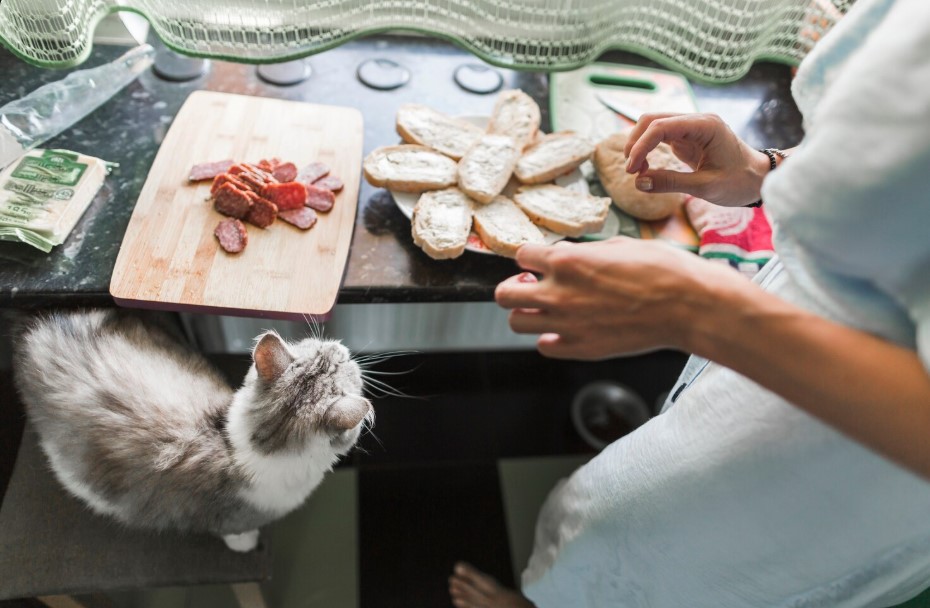
Cats are famously picky eaters. One day they adore a snack, the next day they act personally offended by it. Yet one thing many cats agree on? Crunchy cat treats. That satisfying crunch isn’t just fun for cats, it serves real behavioral and health purposes when chosen and used correctly.
From texture-driven instincts to dental benefits, crunchy treats for cats have earned a permanent place in many treat jars. But not all crunchy treats are created equal, and feeding them the wrong way can do more harm than good.
This guide breaks down everything cat parents need to know, from benefits and ingredients to feeding tips and common mistakes, so you can confidently choose treats your cat will love and benefit from.
What Are Crunchy Cat Treats
Crunchy cat treats are dry, bite-sized snacks designed with a firm outer texture that produces a noticeable crunch when chewed. Unlike soft or chewy treats, these snacks are baked, roasted, or air-dried to maintain their crispness.
Most crunchy treats for cats come in small shapes like pillows, nuggets, or pellets, making them easy to portion and feed. Some even have a crunchy shell with a softer center, combining texture appeal with flavor intensity.
These treats are not meant to replace meals. Instead, they serve as:
- Rewards
- Training aids
- Dental-support snacks
- Occasional enrichment tools
Why Do Cats Love Crunchy Treats
Cats may be domesticated, but their instincts are still deeply rooted in hunting behavior. Crunchy textures trigger sensory satisfaction in multiple ways.
Texture and Chewing Instinct
Crunch mimics the resistance cats experience when chewing bones or shells in prey. This tactile feedback is engaging and mentally stimulating.
Sound Stimulation
The audible crunch grabs a cat’s attention. Many cats associate that sound with freshness and reward, making crunchy cat treats especially motivating.
Satisfaction Factor
Crunching requires effort, which can be more rewarding than quickly swallowing soft treats. For bored or indoor cats, this added interaction matters.
Health Benefits of Crunchy Cat Treats
When chosen carefully and fed responsibly, crunchy treats offer more than just flavor.
Dental Support
Some crunchy treats for cats are formulated to help reduce plaque and tartar buildup by gently scraping the teeth during chewing. While not a replacement for dental care, they can support oral hygiene.
Jaw and Muscle Engagement
Chewing crunchy textures helps keep jaw muscles active, particularly in younger and adult cats.
Portion Control
Crunchy treats are typically low in moisture and easy to measure, making it simpler to manage calorie intake compared to sticky or paste-like treats.
Crunchy Cat Treats vs Soft Treats
Both types have their place, but they serve different purposes.
| Features | Crunchy Cat Treats | Soft Cat Treats |
|---|---|---|
| Texture | Firm, crisp | Moist, chewy |
| Dental support | Moderate | Minimal |
| Training use | Good | Excellent |
| Shelf life | Longer | Shorter |
| Mess factor | Low | Higher |
Crunchy treats are ideal for daily rewards and dental support, while soft treats work well for medication hiding or senior cats with dental issues.
Key Ingredients to Look for in Crunchy Treats for Cats
Ingredients quality matters more than brand names or packaging claims.
High-Quality Protein
Look for real meat like chicken, salmon, turkey, or duck listed as the first ingredient. Protein fuels energy and supports muscle health.
Limited Ingredients
Fewer ingredients reduce the risk of sensitivities. Many cats do well with simple, clean recipes.
Functional Add-Ins
Some crunchy cat treats include added benefits such as:
- Omega fatty acids for skin and coat.
- Fiber for digestion.
- Vitamins for immune support.
Ingredients to Avoid
- Artificial colors.
- Chemical preservatives.
- Excess fillers like corn syrup or unnamed meat byproducts.
How Often Should You Feed Crunchy Cat Treats
Treats should never exceed 10% of your cat’s daily caloric intake.
For most cats:
- 5-10 crunchy treats per day is reasonable.
- Adjust based on treat size and calorie count.
- Reduce meal portions slightly if treats are frequent.
Always read feeding guidelines on the package and monitor your cat’s weight and behavior.
Crunchy Cat Treats for Different Life Stages
Kittens
Kittens can enjoy crunchy treats once they’re able to chew comfortably, usually after teething. Choose smaller, softer crunch options made specifically for kittens.
Adult Cats
This is where crunchy treats for cats shine. Adult cats benefit most from the texture, dental support, and enrichment they provide.
Senior Cats
Older cats may still enjoy crunchy treats, but dental health becomes a factor. If chewing causes discomfort, switch to lighter crunch or break treats into smaller pieces.
Are Crunchy Cat Treats Safe for All Cats
Most cats tolerate crunchy treats well, but there are exceptions.
- Dental Issues:Cats with broken teeth, gum disease, or oral pain may struggle with crunchy textures.
- Digestive Sensitivities: Introduce new treats slowly to avoid stomach upset.
- Food Allergies: Stick to single-protein treats if your cat has known sensitivities.
If your cat refuses crunchy treats or shows signs of discomfort, consult a veterinarian.
How to Choose the Best Crunchy Cat Treats
With so many options available, smart selection matters.
Read the Label Carefully
Ignore marketing buzzwords. Focus on ingredients, calorie content, and feeding guidelines.
Match Treats to Purpose
- Dental treats for oral care
- Protein-rich treats for active cats
- Functional treats for digestion or hairball control
Observe Your Cat’s Preference
Some cats prefer small, hard crunches, while others like lighter, airy textures.
Popular Types of Crunchy Treats for Cats
- Dental Crunchy Treats: Designed to reduce plaque buildup while rewarding your cat.
- Protein-Based Crunchy Snacks: High-protein options ideal for muscle support and energy.
- Functional Crunchy Treats: Formulated for hairball control, digestion, or skin and coat health.
Common Mistakes Cat Owners Make with Crunchy Treats
Even high-quality treats can cause problems if misused.
- Overfeeding: Treats add calories fast. Too many can lead to obesity.
- Using Treats as Meals: Treats lack complete nutrition and should never replace balanced cat food.
- Ignoring Ingredient Quality: Cheap treats may contain fillers that offer no nutritional value.
Tips for Storing Crunchy Cat Treats
Proper storage keeps treats fresh and safe.
- Seal bags tightly after opening.
- Store in a cool, dry place.
- Use airtight containers for long-term freshness.
- Discard treats that smell stale or feel soft.
Fresh treats maintain their crunch and flavor appeal.
Conclusion
Crunchy cat treats are more than just a tasty snack, they support dental health, satisfy natural instincts, and provide daily enrichment when fed responsibly. Choosing high-quality ingredients, monitoring portions, and matching treats to your cat’s life stage makes all the difference.
Whether you’re rewarding good behavior or simply strengthening your bond, the right crunchy treats for cats can turn treat time into a healthy, happy ritual your feline truly enjoys.
FAQ’s
Are crunchy cat treats good for teeth?
They can help reduce plaque, but they don’t replace brushing or professional dental care.
How many crunchy treats for cats can I give daily?
Usually 5-10 treats per day, depending on size and calories.
Can kittens eat crunchy cat treats?
Yes, if age-appropriate and sized for small mouths.
Are grain-free crunchy cat treats better?
Not always! Grain-free works for some cats, but quality matters more than grain presence.
What if my cat refuses crunchy treats?
Try a different texture, size, or flavor. Some cats prefer lighter crunch or filled treats.
